Introduction
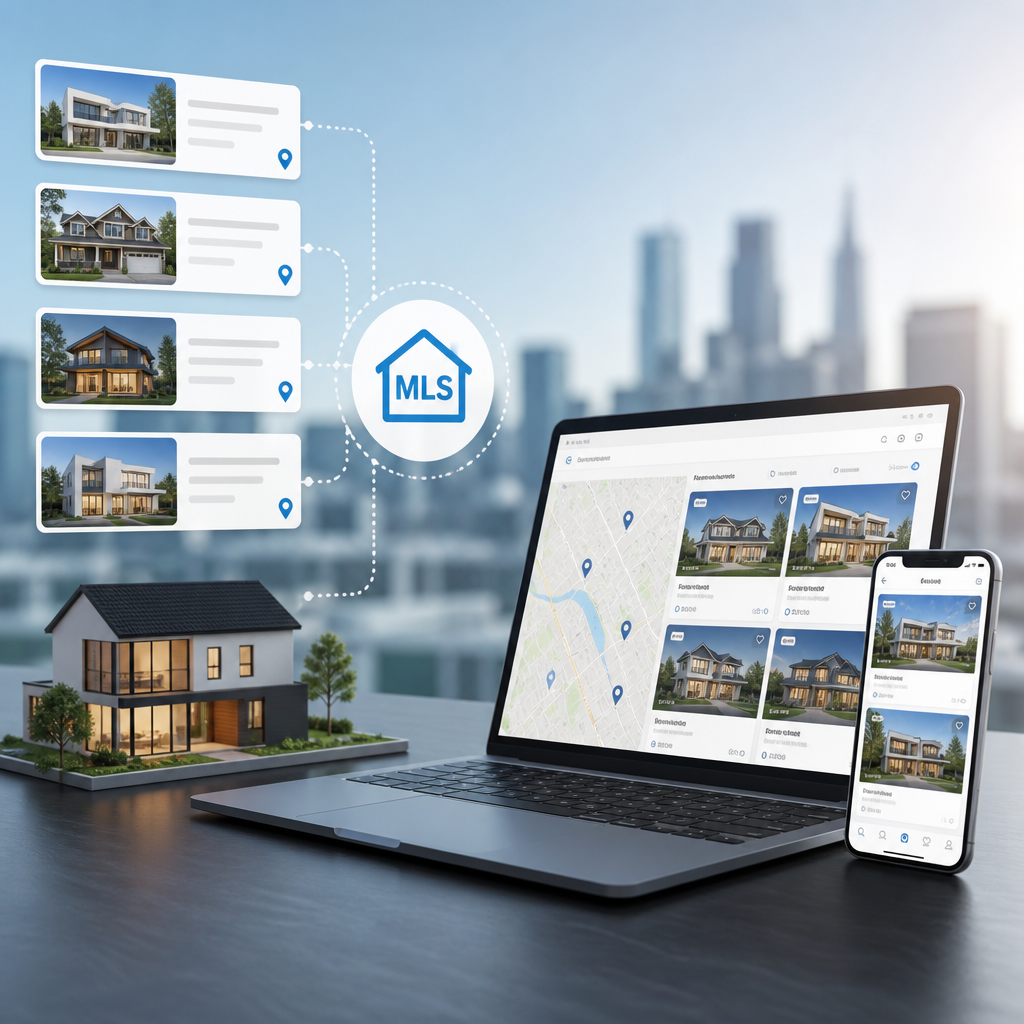
Integrating MLS (Multiple Listing Service) listings into your real estate application can be a daunting task, often leading to delays and complications that hinder your app launch. However, with the right strategies, you can streamline this process and ensure that your app goes live on schedule. This article explores effective methods for adding MLS listings while maintaining focus on your primary user experience.
Understanding MLS Integration Challenges
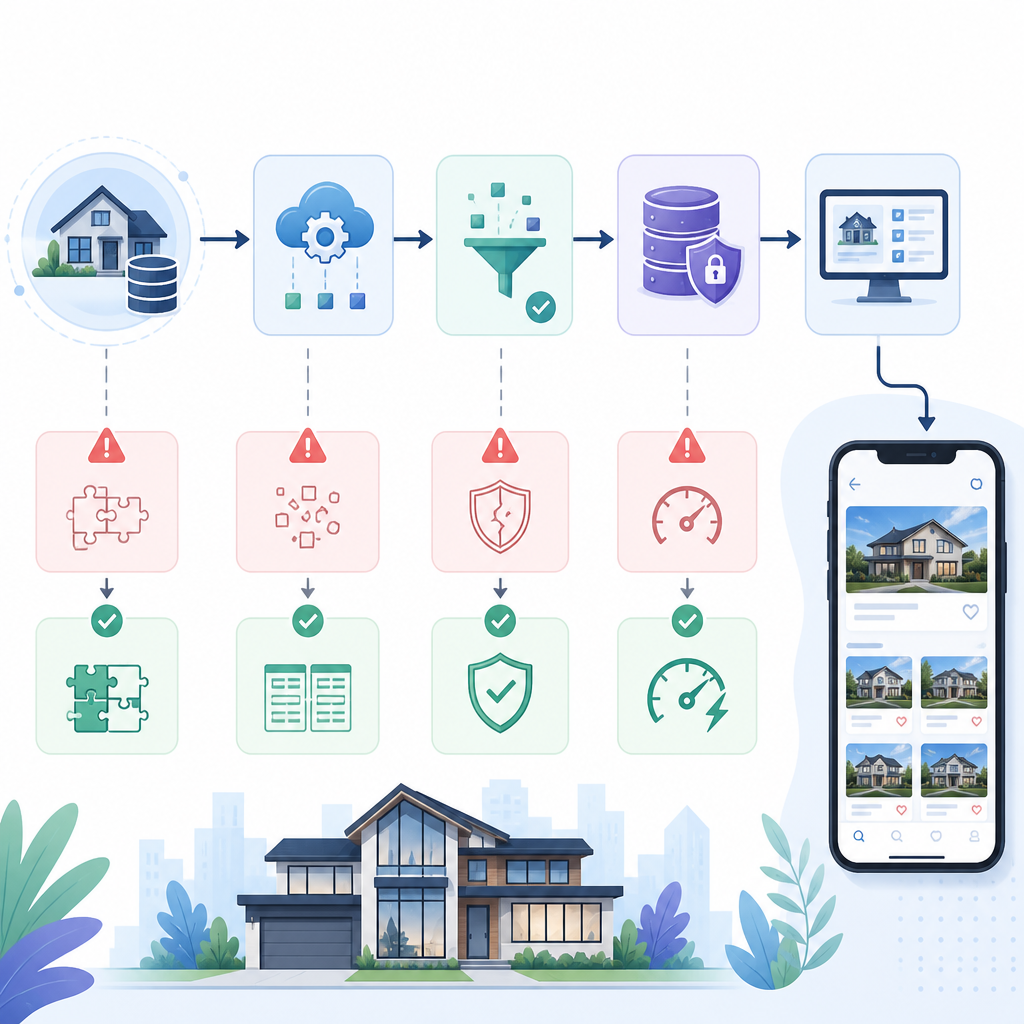
Many founders mistakenly view MLS integration as a straightforward API task. In reality, it encompasses a range of complexities, including licensing agreements, compliance with display rules, and ensuring data accuracy. The integration process can become a bottleneck if not managed properly, as it involves multiple workstreams:
- Evaluating licensing terms and confirming display rules.
- Mapping and validating data fields from various sources.
- Understanding local business rules that may affect data presentation.
To avoid delays, it is crucial to identify dependencies early in the project and assign responsibilities to team members. This proactive approach can prevent bottlenecks that arise from waiting on legal reviews or vendor selections.

Defining User Needs for MLS Data
Before diving into MLS integration, clarify the core value proposition of your app. Consider the following questions:
- Can users derive significant benefits without full MLS coverage?
- Does live inventory impact the primary decision you aim to validate?
- Will limited data skew early user feedback?
If the answers suggest that comprehensive MLS data is not critical for your initial launch, consider using a pilot dataset that focuses on a specific region or property type. This approach allows you to gather valuable insights without the extensive time commitment of full integration.
Choosing the Right Integration Path
There is no one-size-fits-all solution for MLS integration. The best approach depends on various factors, including your geographic focus, product model, and budget. Here are three common paths:
- Utilize an Established Data Vendor: This option can simplify the integration process by providing a consistent API. However, ensure you verify coverage and contractual obligations before committing.
- Connect to a Direct or Broker-Supported Feed: This method offers greater control but may involve more complex onboarding. It is ideal if you already have established relationships in your target market.
- Start with a Regional Integration: Proving your app’s architecture with a single region can mitigate risks and allow for focused testing of essential features.
Building a Scalable Architecture
To ensure a smooth integration process, develop an internal listing model that captures the necessary fields for user experience. This model should not be directly tied to any vendor response. Instead, use an adapter to translate external data into your internal model. This strategy allows for more flexible testing and future expansion without significant rework.
Running Parallel Development Tracks
To expedite the launch process, run multiple development tracks concurrently:
- Confirm use cases, target markets, and vendor agreements.
- Finalize the minimum search filters and listing details.
- Develop the internal data model and mapping interfaces.
By starting mapping as soon as sample records are available, you can address uncertainties early and ensure a smoother integration process.
Launching Narrowly and Expanding Based on Evidence
When launching your app, set clear boundaries for version one, such as limiting the geographical area or property types. This focused approach allows you to test assumptions and gather user feedback effectively. After launch, analyze user behavior to determine the next steps for expansion, whether that involves adding new MLS sources or enhancing existing features.
Conclusion
Successfully integrating MLS listings into your real estate app requires careful planning and execution. By understanding the challenges, defining user needs, choosing the right integration path, and running parallel development tracks, you can launch your app on time while ensuring a solid foundation for future growth. Remember, a narrow launch can still be a strong launch when it effectively tests the right assumptions and meets user needs.