
Introduction
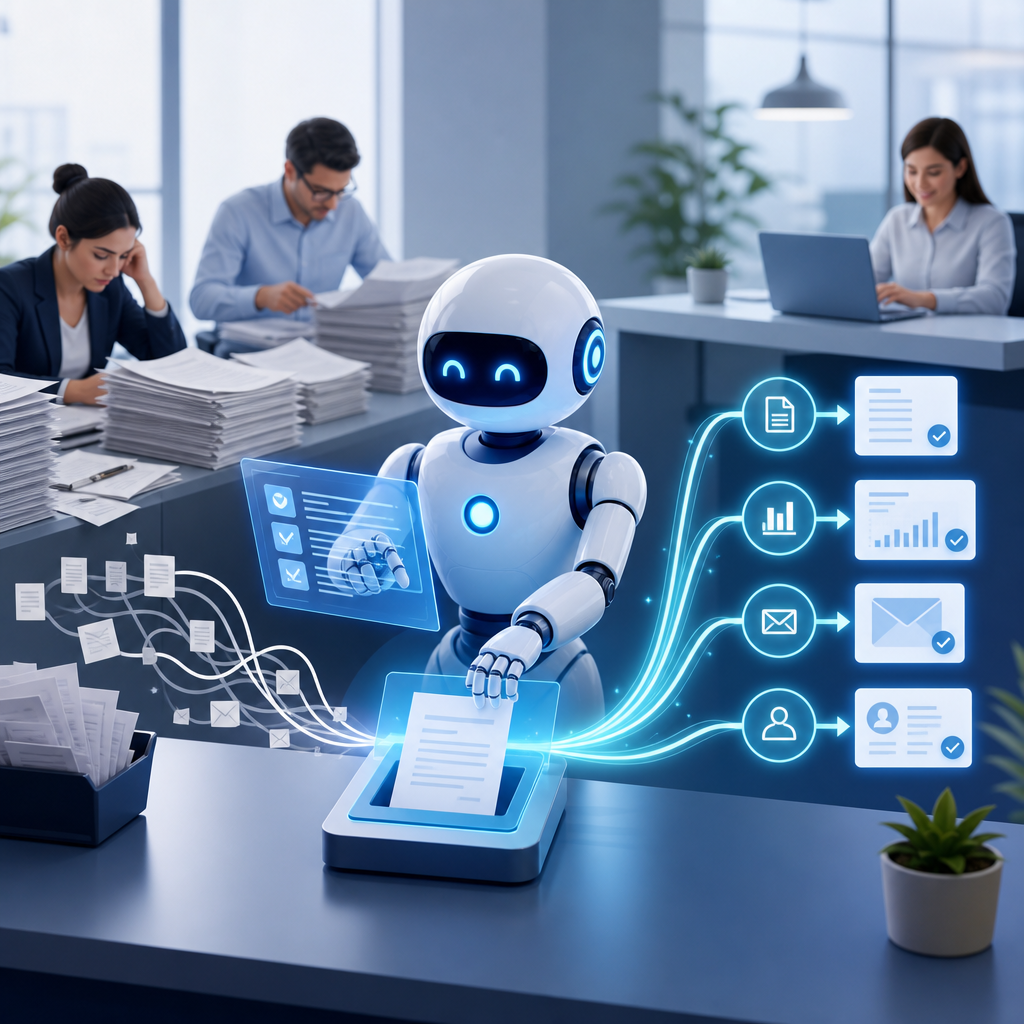
In today’s fast-paced business landscape, efficiency is paramount. Companies are increasingly turning to artificial intelligence (AI) agents to streamline operations and reduce the burden of repetitive tasks. This transformation is not just a trend; it’s a necessity for organizations aiming to stay competitive. By automating over 50% of routine work, AI agents are reshaping how businesses function, allowing human resources to focus on strategic initiatives.
The Role of AI Agents in Business Automation
AI agents serve as intelligent systems that can perform tasks traditionally handled by humans. These agents utilize machine learning algorithms and natural language processing to understand and execute various functions. From customer service to data entry, AI agents are capable of handling a wide range of responsibilities, leading to significant time and cost savings.
Real-World Examples of AI Implementation
Several enterprises have successfully integrated AI agents into their operations, showcasing the potential of this technology:

- Customer Support: Companies like Zendesk have implemented AI chatbots that can resolve customer inquiries without human intervention, reducing response times and improving customer satisfaction.
- Data Management: Firms such as IBM use AI to automate data entry processes, minimizing errors and freeing up employees for more complex tasks.
- Marketing Automation: Businesses like HubSpot leverage AI to analyze customer behavior and personalize marketing campaigns, resulting in higher engagement rates.
Benefits of Implementing AI Agents
The advantages of utilizing AI agents in business automation are numerous:
- Increased Efficiency: Automating repetitive tasks allows employees to concentrate on higher-value work, leading to improved productivity.
- Cost Reduction: By minimizing the need for manual labor in routine tasks, companies can significantly cut operational costs.
- Enhanced Accuracy: AI systems reduce human error, ensuring that tasks are completed with a higher degree of precision.
- Scalability: AI agents can easily adapt to increased workloads, making it simpler for businesses to scale operations without a proportional increase in resources.
Compliance and Regulatory Considerations
While the benefits of AI agents are clear, businesses must also navigate compliance and regulatory requirements. Implementing AI solutions necessitates a thorough understanding of data privacy laws and industry regulations. Organizations should ensure that their AI systems are designed to comply with standards such as GDPR and HIPAA, safeguarding sensitive information while maximizing automation benefits.
Best Practices for Implementing AI Agents
To successfully integrate AI agents into business processes, consider the following best practices:
- Conduct a thorough needs assessment to identify areas where automation can provide the most value.
- Choose the right AI technology that aligns with your business goals and operational requirements.
- Train employees on how to work alongside AI systems to maximize efficiency and effectiveness.
- Regularly review and update AI systems to ensure compliance with evolving regulations.
Conclusion
The integration of AI agents into business operations is revolutionizing the way companies approach efficiency and productivity. By automating over 50% of repetitive tasks, organizations can not only enhance their operational capabilities but also ensure compliance with necessary regulations. As AI technology continues to evolve, the potential for further innovation in business automation is limitless, paving the way for a more efficient future.