Introduction
As the demand for Software as a Service (SaaS) applications continues to grow, understanding the financial implications of building such a product is crucial for entrepreneurs. In 2026, the cost to develop a SaaS app varies significantly based on several factors, including the app’s complexity, the technology stack used, and the development partner chosen. This article delves into the key components that influence SaaS development costs and offers practical budgeting insights for founders.
Defining the Scope of Your SaaS Application
Before diving into budget estimates, it’s essential to outline what constitutes a minimum viable product (MVP) for a SaaS application. A typical MVP includes:
- User authentication and role management
- A basic dashboard for user interaction
- CRUD (Create, Read, Update, Delete) functionalities for core operations
- Subscription billing integration (e.g., Stripe)
- Email notifications for user engagement
- Basic analytics for performance tracking
- An admin panel for management purposes
Exclusions from this scope typically involve mobile applications, advanced AI features, and extensive third-party integrations.
Key Cost Drivers in SaaS Development
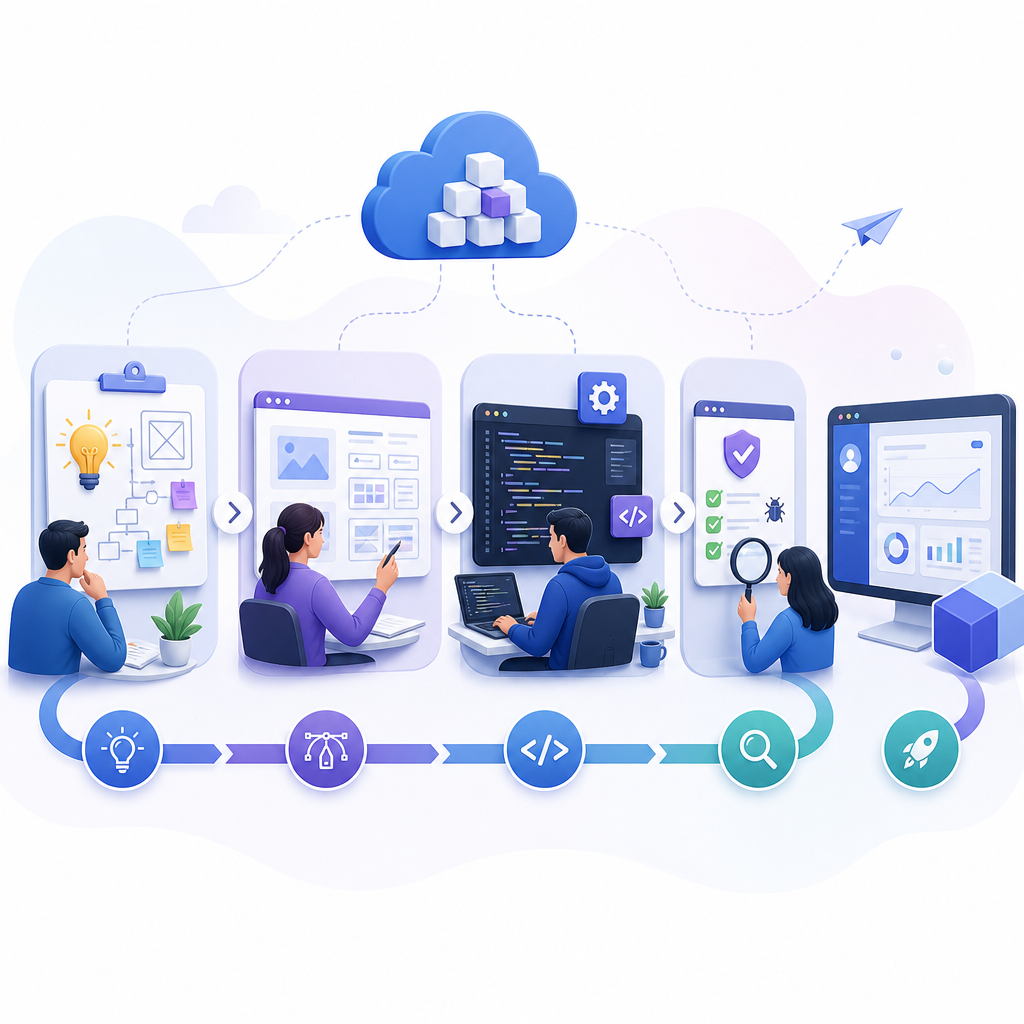
Several critical factors significantly impact the overall budget for developing a SaaS application:
- Scope and Complexity: The number of user roles, business rules, and the complexity of the data model can dramatically influence costs.
- Technology Stack: The choice of technology can affect both development speed and long-term operational costs. Certain stacks may expedite development but incur higher hosting fees.
- UX/UI Design: Investing in a polished user experience can account for 15% to 25% of the total budget, as it requires dedicated design resources.
- Integrations and Compliance: Incorporating payment processors, security protocols, and compliance measures can add substantial costs both during development and ongoing operations.
Development Partner Cost Ranges
The choice of development partner plays a pivotal role in determining the budget. Here are general cost estimates for various types of partners:
- Freelancers: $10,000 – $40,000. Ideal for startups seeking validation but may compromise on product quality.
- Small Agencies: $35,000 – $120,000. These teams offer better design and support, ensuring a smoother transition to scaling.
- Larger Product Studios: $100,000 – $400,000+. Best suited for enterprise-level applications, providing comprehensive services including QA and security audits.
Hidden Costs to Consider
Many founders overlook certain expenses that can significantly affect their budget:
- Discovery and Strategy: Initial planning can cost between $3,000 and $25,000, depending on the project’s depth.
- Quality Assurance: Setting up QA processes can range from $5,000 to $30,000, with ongoing costs for maintenance.
- DevOps and Hosting: Expect to allocate $200 to $1,200 monthly for production-ready environments, plus initial setup costs of $3,000 to $15,000.
- Legal and Compliance: Budget for $2,000 to $15,000 for necessary legal frameworks and certifications.
- Support and Maintenance: Plan for 10% to 25% of the initial development cost annually for ongoing support.
Tips for Setting a Realistic Budget
To create an effective budget, consider these steps:
- Define Success Metrics: Establish clear targets for metrics like Monthly Recurring Revenue (MRR) and churn rates.
- Request Fixed-Scope Quotes: Obtain detailed quotes for both MVP and scaling phases to avoid unexpected costs.
- Include Contingency Funds: Reserve 20% to 30% of your budget for unforeseen challenges and necessary pivots.
Conclusion
Understanding the costs associated with developing a SaaS application in 2026 is essential for founders looking to navigate the competitive landscape. By defining the scope, recognizing key cost drivers, and planning for hidden expenses, entrepreneurs can set realistic budgets that align with their business goals. With careful planning and strategic partnerships, launching a successful SaaS product is within reach.